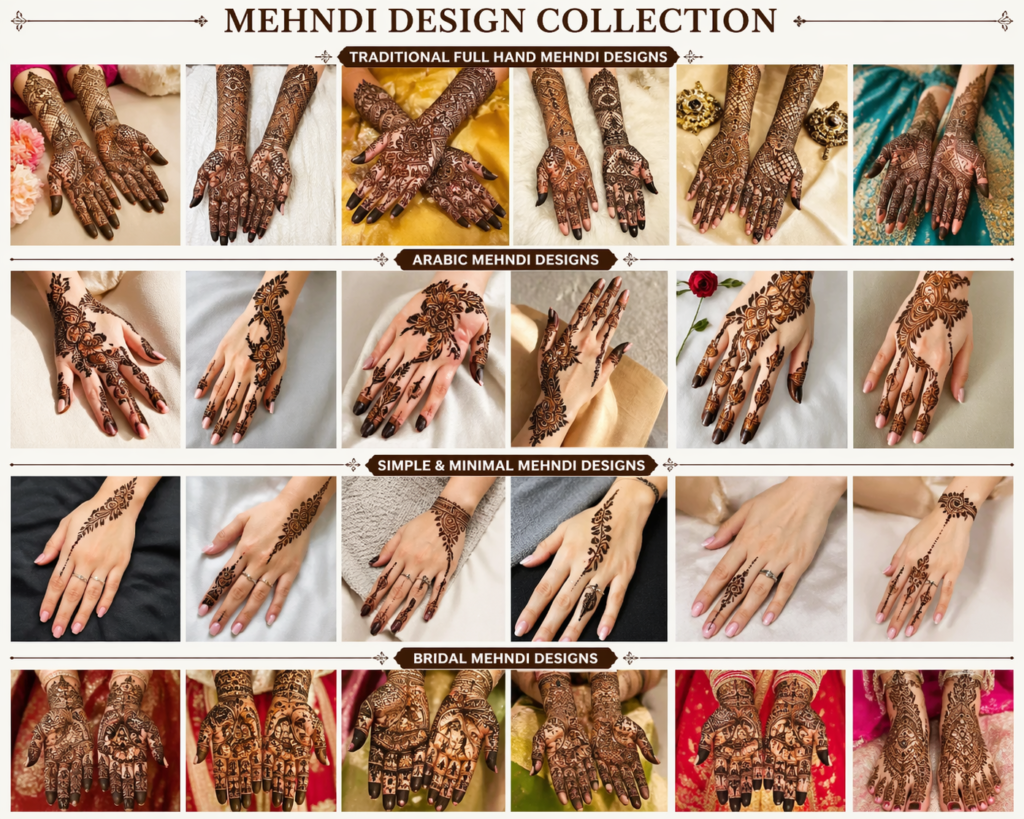
mehndi design
Mehndi Design
Mehndi design is far more than just body decoration—it is a timeless art form deeply rooted in tradition, culture, and celebration. Derived from the leaves of the henna plant, mehndi has been used for centuries across South Asia, the Middle East, and North Africa. Today, it has evolved into a global beauty trend, admired for its intricate patterns and symbolic meanings.
At its core, mehndi design involves applying a paste made from crushed henna leaves onto the skin, which leaves behind a temporary stain. This stain varies from light orange to deep maroon depending on the quality of henna, skin type, and aftercare. What makes mehndi unique is not just the result, but the entire process—from preparation to application and the anticipation of the final color.
In modern times, mehndi design is no longer limited to traditional events. It has found its way into fashion shows, photoshoots, and even casual styling. Yet, despite its contemporary appeal, it still holds deep emotional and cultural value, especially during weddings and festivals.
History and Cultural Significance of Mehndi
The history of mehndi design dates back over 5,000 years, making it one of the oldest forms of body art. Ancient civilizations, including Egyptians, used henna for cosmetic and ceremonial purposes. Historical records suggest that even royal figures used henna to adorn their bodies before important rituals.
In South Asian cultures, mehndi plays a central role in weddings. The “Mehndi Night” is a pre-wedding ceremony filled with music, dance, and joy. The bride’s hands and feet are decorated with elaborate designs that often include hidden symbols or initials of the groom. These designs are believed to bring good luck, prosperity, and happiness to the marriage.
In Middle Eastern and African traditions, mehndi is also associated with celebrations and protection. It is believed to ward off evil spirits and bring blessings. Across cultures, mehndi design represents beauty, joy, and a deep connection to heritage.
Types of Mehndi Designs
Mehndi design comes in a wide variety of styles, each with its own aesthetic and cultural roots. Understanding these types can help you choose the perfect design for any occasion.
Indian Mehndi Design
Indian mehndi designs are known for their intricate details and dense patterns. These designs often cover the entire hand and extend up to the arms. Common elements include paisleys, floral motifs, peacocks, and mandalas. The level of detail in Indian mehndi is unmatched, making it a popular choice for brides.
These designs often tell a story. For example, wedding mehndi may include motifs representing love, unity, and new beginnings. The patterns are usually symmetrical and highly decorative, creating a rich and luxurious look.
Arabic Mehndi Design
Arabic mehndi designs are bold, flowing, and less dense compared to Indian styles. They often feature large floral patterns and vines that move diagonally across the hand. This style is perfect for those who prefer elegance with simplicity.
One of the key advantages of Arabic mehndi is its versatility. It can be applied quickly and suits both casual and formal occasions. The spacing in the design allows the skin to show through, creating a striking contrast.
Pakistani Mehndi Design
Pakistani mehndi designs combine elements of both Indian and Arabic styles. They are detailed yet balanced, often incorporating traditional motifs with modern patterns. These designs are widely used in weddings and religious events like Eid.
Pakistani mehndi often includes symbolic elements such as domes, leaves, and intricate borders. The designs are carefully crafted to maintain harmony and symmetry, resulting in a visually appealing composition.
Moroccan Mehndi Design
Moroccan mehndi is distinct from other styles due to its geometric patterns. Instead of floral motifs, it focuses on shapes like squares, triangles, and lines. These designs are often symmetrical and carry cultural symbolism.
This style is perfect for those who appreciate minimalism and modern aesthetics. Moroccan mehndi stands out for its boldness and unique structure, making it a popular choice in contemporary fashion.
Bridal Mehndi Designs
Bridal mehndi is the most elaborate form of mehndi design. It is not just decoration but a significant part of wedding rituals. Brides often spend hours getting their mehndi applied, ensuring every detail is perfect.
These designs usually extend from the fingertips to the elbows and sometimes even up to the knees. They include intricate patterns, personal symbols, and sometimes even portraits. The level of detail reflects the importance of the occasion.
Another interesting aspect of bridal mehndi is the tradition of hiding the groom’s name within the design. This adds a playful element to the wedding, as the groom is often asked to find his name after the ceremony. It’s a small but meaningful tradition that adds charm to the celebration.
Modern Mehndi Design Trends
Mehndi design has evolved significantly over the years, adapting to modern tastes and preferences. Today, you’ll find a wide range of innovative styles that blend tradition with creativity.
One popular trend is minimalistic mehndi. These designs focus on simplicity, often featuring small patterns on the fingers or wrist. They are perfect for casual events or for those who prefer subtle elegance.
Another trend is fusion mehndi, where different styles are combined to create a unique look. For example, a design may include Arabic floral patterns with Indian detailing. This approach allows for greater creativity and personalization.
Glitter and colored mehndi are also gaining popularity. These designs use additional elements to enhance the visual appeal. While traditional henna remains the base, these modern touches add a fresh twist.
Tools and Techniques for Mehndi Application
Creating a beautiful mehndi design requires the right tools and techniques. The most important tool is the mehndi cone, which is used to apply the paste onto the skin.
The consistency of the henna paste plays a crucial role in the final result. It should be smooth and easy to apply. A well-prepared paste ensures clean lines and a rich color.
Technique is equally important. Steady hands and practice are key to mastering mehndi design. Artists often start with simple patterns and gradually move to more complex designs. Patience and precision are essential qualities for any mehndi artist.
Tips for Dark and Long-Lasting Mehndi Color
Everyone wants their mehndi design to have a deep, rich color. Achieving this requires proper care before and after application.
Before applying mehndi, make sure your skin is clean and free of oils. This helps the henna stain better. After application, allow the paste to dry naturally and keep it on for as long as possible.
Applying lemon and sugar solution can help enhance the color. It keeps the mehndi moist and allows the dye to penetrate deeper into the skin. Avoid washing the area immediately after removing the paste.
Heat also plays a role in darkening the color. Keeping your hands warm can help achieve a deeper stain. Following these tips can significantly improve the final result.
Occasions for Mehndi Design
Mehndi design is an integral part of many celebrations. Weddings are the most prominent occasion, but mehndi is also used during festivals like Eid, Diwali, and Karva Chauth.
In recent years, mehndi has become popular for parties and casual gatherings. People enjoy experimenting with designs for fun and self-expression.
Mehndi is also used in cultural events and performances. It adds a traditional touch to the overall look and enhances the visual appeal.
DIY Mehndi Design for Beginners
If you’re new to mehndi design, starting with simple patterns is the best approach. Practice basic shapes like dots, lines, and curves. These form the foundation of more complex designs.
You can begin by drawing small patterns on paper before applying them on your skin. This helps build confidence and improves precision.
Consistency in practice is key. Over time, you’ll develop your own style and techniques. With patience and dedication, anyone can learn the art of mehndi design.
Common Mistakes to Avoid in Mehndi Design
Even experienced artists can make mistakes, but being aware of common errors can help you avoid them.
One common mistake is using low-quality henna. This can result in poor color and uneven designs. Always choose fresh and natural henna for the best results.
Another mistake is rushing the process. Mehndi design requires patience and attention to detail. Taking your time ensures a cleaner and more professional look.
Improper aftercare can also affect the final color. Following the right steps after application is just as important as the design itself.
Future of Mehndi Design
The future of mehndi design looks bright, with endless possibilities for innovation. As technology and creativity continue to evolve, we can expect even more unique and artistic designs.
Digital platforms have played a significant role in popularizing mehndi. Artists can now share their work with a global audience, inspiring others and pushing the boundaries of this traditional art.
At the same time, there is a growing appreciation for traditional designs. People are rediscovering the beauty and significance of classic patterns, ensuring that the cultural essence of mehndi remains intact.
Conclusion
Mehndi design is a beautiful blend of art, culture, and tradition. From its ancient origins to its modern-day popularity, it continues to captivate people around the world.
Whether you prefer intricate bridal designs or simple modern patterns, mehndi offers something for everyone. It is not just about decoration but about expression, celebration, and connection to heritage.
As you explore the world of mehndi design, you’ll discover that it is more than just a temporary stain—it’s a timeless art form that tells a story on your skin.